


What Makes a Soft Drink Work With Food?
Most soft drinks are designed to taste good on their own.
A food-pairing soft drink has a different job.
It should complement the dish, refresh the palate and add something to the dining experience without overpowering the food. That requires more than simply reducing the sugar or adding an unusual flavour.
The best drinks for food pairing are built around balance.
At Bodha Drinks, we think about five things in particular: sweetness, acidity, carbonation, aroma and spice.
Sweetness
Sweetness is one of the biggest factors in whether a soft drink works with food.
A very sweet drink can dominate more delicate dishes, flatten subtle flavours and make a meal feel heavier. It can also become tiring over the course of a long meal.
A lower-sugar drink gives the food more space.
This does not mean the drink should taste austere or lack flavour. It means the sweetness should support the other elements rather than lead them.
With spicy or aromatic food, a little sweetness can soften heat and round out strong flavours. The key is keeping it balanced enough that the drink still feels refreshing.
Acidity
Acidity gives a drink freshness and structure.
It can cut through richness, lift creamy dishes and help reset the palate between mouthfuls. This is why citrus-led drinks often work well with fried food, grilled dishes and richer sauces.
Too little acidity can make a drink feel flat or overly sweet. Too much can clash with delicate dishes or make sharper foods feel even more intense.
The aim is not simply to make a drink tart. It is to create enough brightness to keep the pairing lively.
Carbonation
Carbonation can make a soft drink especially useful at the table.
Bubbles help create a sense of freshness and can cleanse the palate after rich, oily or creamy food. They also give a drink texture, which helps it feel more grown-up and satisfying.
But more carbonation is not always better.
A highly fizzy drink can feel aggressive alongside delicate dishes and may overpower subtle aromas. Gentle carbonation often works better because it refreshes without distracting from the food.
The level of sparkle should suit the flavour of the drink and the dishes it is intended to accompany.
Aroma
We experience flavour through aroma as much as taste.
Ingredients such as rose, cardamom, ginger and chilli create aromatic layers that can connect naturally with food.
A drink can complement a dish by echoing flavours already present. Rose and cardamom, for example, can work beautifully with aromatic rice dishes, creamy curries and gently spiced desserts.
It can also create contrast. A floral drink may bring lift to a rich dish, while ginger can add warmth and freshness beside grilled or savoury food.
The important thing is restraint. If the aroma becomes too perfumed or intense, it can compete with the meal.
Spice
Spice in a drink does not always mean heat.
It can mean warmth, depth, fragrance or a gentle lingering finish.
Ginger can bring freshness and warmth. Cardamom adds aromatic complexity. Chilli can create lift and length when balanced with citrus.
Spice is particularly useful with food because it gives the drink enough character to stand beside strongly flavoured dishes.
The challenge is to create presence without overwhelming the palate.
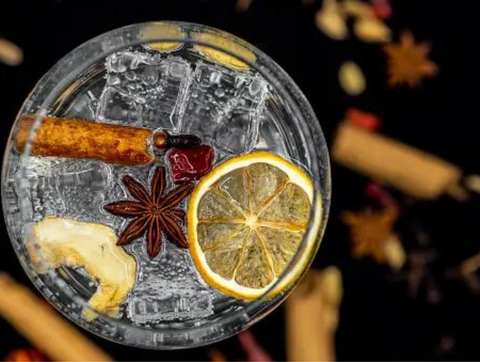
Complement or contrast?
There are two main ways to pair a drink with food.
Complement
A complementary pairing shares flavours or characteristics with the dish.
For example:
-
Rose & Cardamom with biryani or a cardamom-led dessert
-
Ginger Spice with aromatic, warming or grilled dishes
-
Chilli Lemonade with tangy, spicy or fried food
The drink feels connected to the meal because the flavours echo one another.
Contrast
A contrasting pairing creates balance by bringing something the dish lacks.
For example:
-
acidity with rich or creamy food
-
bubbles with fried dishes
-
floral freshness with savoury spices
-
gentle sweetness with heat
Some of the most interesting pairings use both approaches at once.
The role of texture
Texture is often overlooked when choosing a soft drink.
A drink can feel light, round, sharp, dry, syrupy or sparkling. These qualities affect how it interacts with food.
A thick or very sweet drink can feel heavy beside a rich meal. A lighter, gently sparkling drink may provide a more refreshing contrast.
This is one reason many standard soft drinks feel disconnected from the dining experience. They may taste enjoyable, but they were not necessarily developed with the texture and rhythm of a meal in mind.
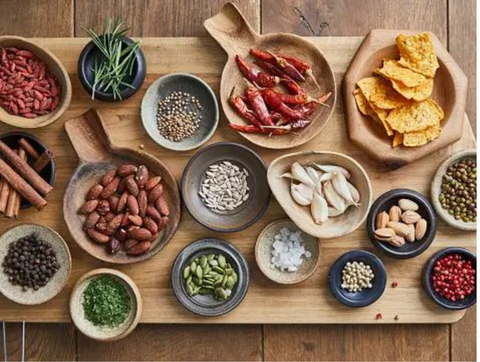
Pairing with spicy food
Spicy food creates a particular challenge.
A drink needs enough flavour to remain noticeable, but it should not intensify the heat unnecessarily.
Very sugary drinks can briefly soften spice, but they may also become cloying. Highly acidic or aggressively carbonated drinks can sometimes make the heat feel sharper.
A balanced drink can work better by combining gentle sweetness, freshness and aromatic flavour.
For example:
-
Rose & Cardamom can complement aromatic and gently spiced dishes
-
Ginger Spice can stand up to richer, grilled and savoury food
-
Chilli Lemonade can work with tangy, fried and more vibrant dishes
The best choice depends on whether the aim is to calm, complement or amplify the flavours in the dish.
Why conventional soft drinks do not always work
Cola, lemonade and fruit juice remain popular for a reason. They are familiar and easy to order.
But they are not always designed around food.
Some can be too sweet, too dominant or too one-dimensional for complex dishes. Others refresh the palate but do not add anything meaningful to the meal.
As diners become more adventurous with food, there is growing room for soft drinks that offer the same level of thought and flavour.
A good alcohol-free option should not feel like a compromise. It should feel chosen for the occasion and the dish.
How Bodha Drinks approaches food pairing
Bodha Drinks was created around the idea that soft drinks should be designed with food in mind.
Our range includes:
Rose & Cardamom
Floral, aromatic and gently spiced. It works particularly well with fragrant rice dishes, creamy curries, mezze and lighter desserts.
Ginger Spice
Warm, lively and rounded. It pairs well with grilled dishes, rich sauces, savoury food and deeper spice profiles.
Chilli Lemonade
Fresh, citrus-led and gently warming. It works well with fried food, tangy dishes, spicy snacks and vibrant flavours.
Each drink is made in Britain, low in sugar and developed to complement food rather than compete with it.
What restaurants should consider
When choosing alcohol-free drinks for a menu, restaurants should ask:
-
Does the drink work with the food?
-
Is the sweetness balanced?
-
Does it refresh the palate?
-
Is the flavour distinctive enough to justify its place on the menu?
-
Can staff explain what it pairs with?
-
Does it offer something different from a standard soft drink?
-
Will it appeal to guests who are not drinking alcohol?
The strongest drinks menus do not simply offer more choice. They offer better reasons to choose.
Final thoughts
A soft drink works with food when every element has a purpose.
Sweetness should be controlled. Acidity should bring freshness. Carbonation should cleanse rather than dominate. Aroma and spice should connect with the dish.
When these elements are balanced, a soft drink becomes part of the dining experience rather than an afterthought.
That is the idea behind Bodha Drinks: flavour-first, alcohol-free soft drinks designed to pair with food.